
-
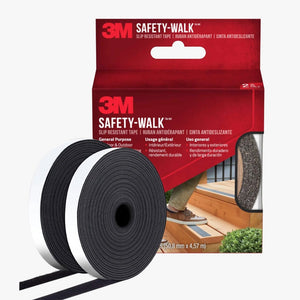
3M Anti-slip & Grip Tapes
9 products -
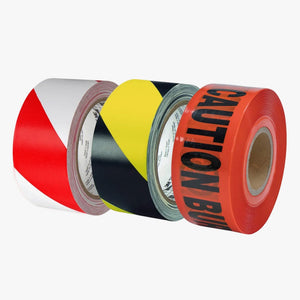
3M Barricade & Warning Tapes
13 products -
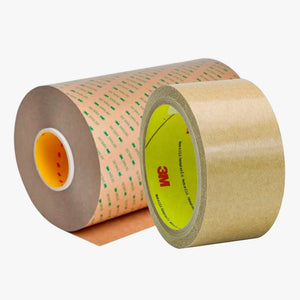
3M Bonding, Mounting & Transfer Tapes
91 products -
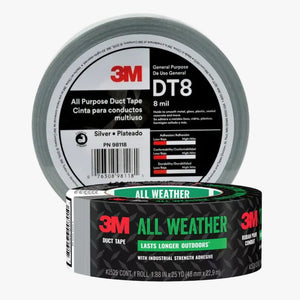
3M Cloth & Duct Tapes
65 products -
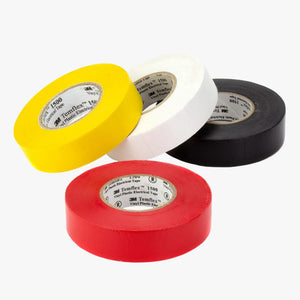
3M Electrical Tapes
106 products -
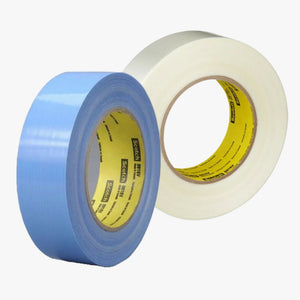
3M Filament Tapes
36 products -
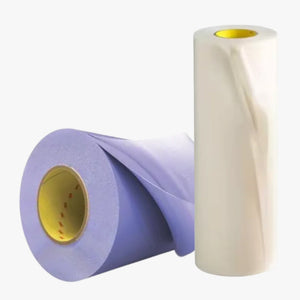
3M Flexographic Plate Mounting Tapes
1 product -
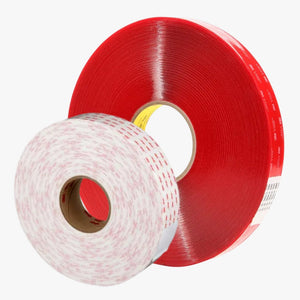
3M Foam Tapes
112 products -
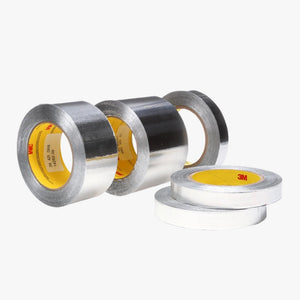
3M Foil Tapes
58 products -
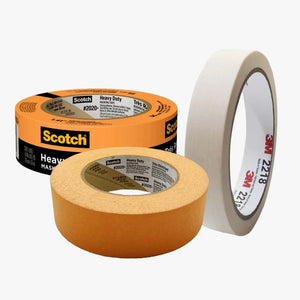
3M Masking & Paper Tapes
160 products -
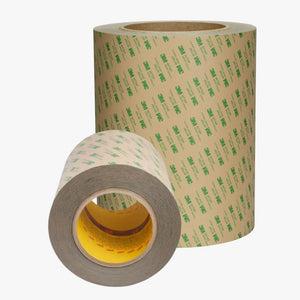
3M Membrane Switch Spacers
1 product -
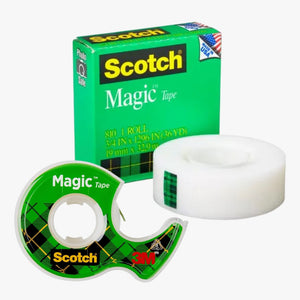
3M Office Tapes
6 products -
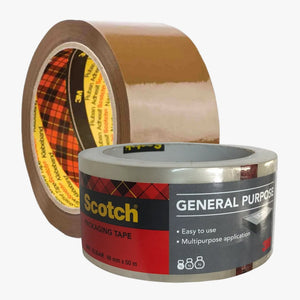
3M Packaging Tapes
119 products -
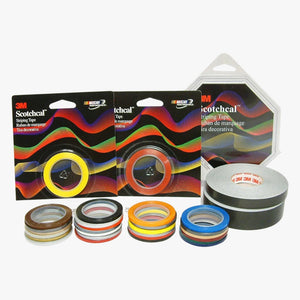
3M Pinstriping Tapes
4 products -
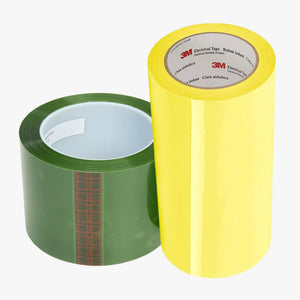
3M Polyester Tapes
34 products -
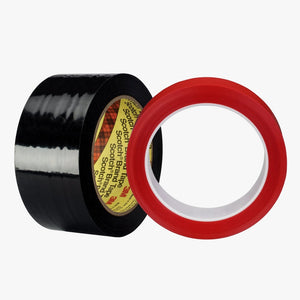
3M Polyethylene Tapes
16 products -
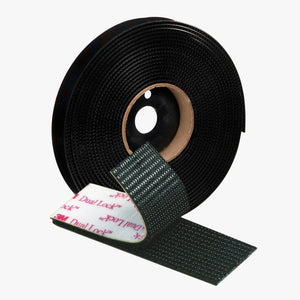
3M Reclosable Fasteners
105 products -
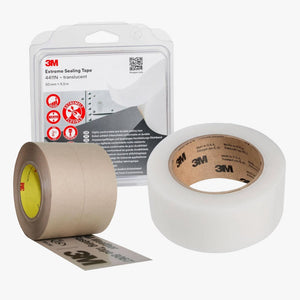
3M Sealing Tapes
51 products -
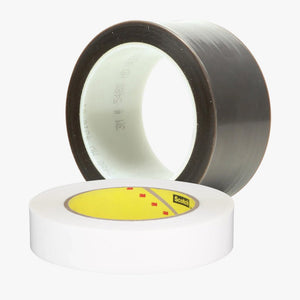
3M Slick Surface Tapes
34 products -
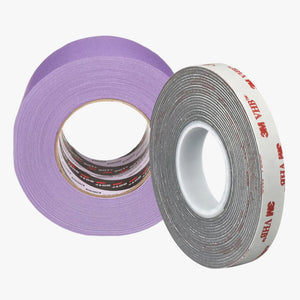
3M Specialty Application Tapes
31 products -
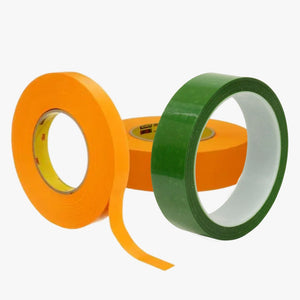
3M Splicing & Tabbing Tapes
7 products -
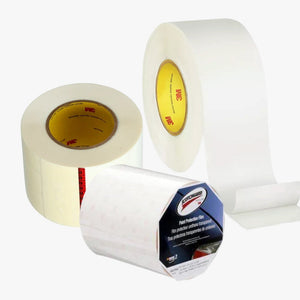
3M Surface Protective Tapes
16 products -
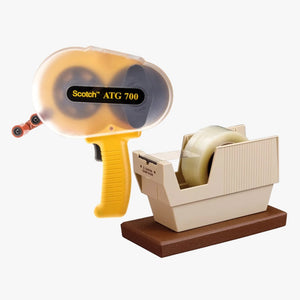
3M Tape Applicators, Dispensers & Kits
45 products -
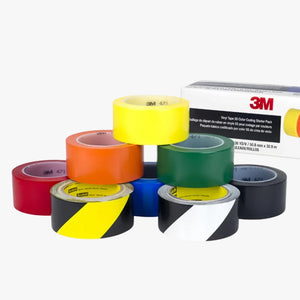
3M Vinyl Tapes
124 products
3M
3M 5903 Outdoor Masking Poly Tape Red 48 mm x 54.8 m 7.5 mil
Regular price $17.56Unit priceIn stock (24 units)-
 9% off
3M
3M 2460 Scotch Ultimate Paint Edge Masking Tape, Gold, 2 in x 60 yd, 3.3 mil (7100106569) (24 Pack)
Sale price $603.57 Regular price $662.40Unit priceAvailable for Backorder- 72 pack
3M
3M 471 Vinyl Tape Floor Marking Tape, Orange, 1/2 in x 36 yd, 5.2 mil (7100049358) (72 Pack)
Regular price $880.20Unit priceAvailable for Backorder -
- 12% off
3M
3M 850 Polyester Film Tape, Transparent, 2 in x 72 yd, 1.9 mil (7100065925) (24 Pack)
Sale price $3,438.05 Regular price $3,923.52Unit priceAvailable for Backorder -
- 9% off
3M
3M 471 Vinyl Tape, Yellow, 3 in x 36 yd, 5.2 mil (7000047470) (12 Pack)
Sale price $891.48 Regular price $978.24Unit priceAvailable for Backorder -
- 2 pack
3M
3M 850 Polyester Film Tape, Silver, 18 in x 72 yd, 1.9 mil (7010048672) (2 Pack)
Regular price $2,206.93Unit priceAvailable for Backorder -
- 9% off
3M
3M 470 Electroplating Tape, Tan, 2 in x 36 yd, 7.1 mil (7000028889) (24 Pack)
Sale price $1,630.91 Regular price $1,789.68Unit priceAvailable for Backorder -
- 9% off
3M
3M 471 Vinyl Tape, Red, 3/4 in x 36 yd, 5.2 mil (7000047452) (48 Pack)
Sale price $937.96 Regular price $1,027.20Unit priceAvailable for Backorder -
- 9% off
3M
3M 470 Electroplating Tape, Tan, 1/2 in x 36 yd, 7.1 mil (7000048557) (72 Pack)
Sale price $1,467.51 Regular price $1,610.64Unit priceAvailable for Backorder -
- 12% off
3M
3M 850 Polyester Film Tape, Transparent, 48 in x 72 yd, 1.9 mil (7010048668)
Sale price $3,437.97 Regular price $3,923.44Unit priceAvailable for Backorder -
- 12% off
3M
3M 850 Polyester Film Tape, Transparent, 3/8 in x 72 yd, 1.9 mil (7010045025) (96 Pack)
Sale price $3,093.99 Regular price $3,530.88Unit priceAvailable for Backorder -
- 9% off
3M
3M 470 Electroplating Tape, Tan, 1 in x 36 yd, 7.1 mil (7000001178) (36 Pack)
Sale price $1,223.33 Regular price $1,342.44Unit priceAvailable for Backorder -
- 4 pack
3M
3M SJ3572 Hook Fastener, Black, 5/8 in x 50 yd Roll (7000001964) (4 Pack)
Regular price $531.75Unit priceAvailable for Backorder -
- 24 pack
3M
Regular price $397.50Unit priceAvailable for Backorder -
- 288 pack
3M
3M 371 Scotch Box Sealing Tape, Tan, 48 mm x 914 m (7000136745) (288 Pack)
Regular price $14,249.40Unit priceAvailable for Backorder -
- 2 pack
3M
Regular price $370.25Unit priceAvailable for Backorder -
- 12 pack
3M
Regular price $558.00Unit priceAvailable for Backorder -
- 24 pack

3M
Regular price $2,185.20Unit priceAvailable for Backorder - 72 pack
3M
Regular price $541.65Unit priceAvailable for Backorder -
- 6 pack
3M
3M 5430 Squeak Reduction Tape, Transparent, 4 in x 36 yd, 7.4 mil (7000123837) (6 Pack)
Regular price $4,969.01Unit priceAvailable for Backorder -
- 360 pack
3M
Regular price $9,405.00Unit priceAvailable for Backorder -
- 72 pack

3M
3M SJ3571/SJ3572 Hook/Loop Fastener, Black, 1 in x 12 in, mated strips (7000126004) (72 Pack)
Regular price $479.63Unit priceAvailable for Backorder - 12 pack
3M
Regular price $206.40Unit priceAvailable for Backorder -
- 4 pack
3M
3M SJ3532N Hook Fastener, Black, 3/4 in x 50 yd Roll (7010301720) (4 Pack)
Regular price $373.70Unit priceAvailable for Backorder -
- 100 pack
3M
Regular price $856.25Unit priceAvailable for Backorder -
- 12 pack
3M
Regular price $165.45Unit priceAvailable for Backorder -
- 9 pack
3M
3M 5491 PTFE Film Tape, Brown, 1 in x 36 yd, 6.7 mil (7000001582) (9Pack)
Regular price $2,244.15Unit priceAvailable for Backorder -
- 16 pack
3M
Regular price $310.40Unit priceAvailable for Backorder -
- 10 pack
3M
Regular price $238.38Unit priceAvailable for Backorder -
- 12 pack

3M
Regular price $343.05Unit priceAvailable for Backorder - 96 pack
3M
Regular price $334.80Unit priceAvailable for Backorder -
- 24 pack
3M
Regular price $397.50Unit priceAvailable for Backorder -
- 96 pack
3M
Regular price $201.25Unit priceAvailable for Backorder -
- 216 pack
3M
3M 373 Scotch Box Sealing Tape, Green, 48 mm x 50 m (7000123636) (216 Pack)
Regular price $444.15Unit priceAvailable for Backorder -
- 96 pack
3M
3M 3779 Scotch Security Message Box Sealing Tape, Clear, 72 mm x 100 m (7100023368) (96 Pack)
Regular price $343.10Unit priceAvailable for Backorder -
- 80 pack
3M
3M 5903 Outdoor Masking Poly Tape, Red, 5 in x 60 yd, 7.5 mil (7010334725) (80 Pack)
Regular price $4,056.63Unit priceAvailable for Backorder -


3M Flashing Tape Durability


3M Tapes
- Cloth & Duct Tapes: Fabric-backed tapes with aggressive adhesive systems for bundling, sealing, temporary repairs, and general-purpose applications requiring conformability and tear resistance.
- Electrical Tapes: Insulating tapes including vinyl, rubber, and mastic formulations for wire splicing, cable harnessing, and electrical insulation across voltage classes.
- Filament Tapes: Reinforced tapes with embedded glass or synthetic filaments for bundling, palletizing, and applications requiring high tensile strength and break resistance.
- Foam Tapes: Compressible tape products that seal gaps, dampen vibration, and bond irregular surfaces while accommodating thermal expansion and surface imperfections.
- Foil Tapes: Aluminum and other metal-faced tapes for HVAC seaming, heat reflection, moisture barrier applications, and EMI/RFI shielding requirements.
- Masking & Paper Tapes: Temporary application tapes for clean removal after painting, powder coating, and finishing operations, leaving no adhesive residue or surface damage.
- Packaging Tapes: Carton sealing tapes in hot melt, acrylic, and natural rubber adhesive systems for shipping, storage, and warehouse operations across temperature ranges.
- Vinyl Tapes: Durable, conformable film tapes for color coding, lane marking, bundling, and applications requiring abrasion resistance and elongation.
Frequently Asked Questions
What's the difference between double-coated tape and adhesive transfer tape?
What's the difference between double-coated tape and adhesive transfer tape?
Double-coated tape has a carrier material (like film, foam, or tissue) sandwiched between two adhesive layers, which provides structure, thickness, and can offer different adhesives on each side for bonding dissimilar materials. Adhesive transfer tape has no carrier—it's pure adhesive film on a release liner. Transfer tapes create the thinnest possible bond line, conform better to irregular surfaces, and aren't limited by a carrier's temperature resistance, but they only offer one adhesive type per product.
Which tape adhesive works best for outdoor applications exposed to UV and weather?
Which tape adhesive works best for outdoor applications exposed to UV and weather?
Acrylic adhesives are the go-to choice for outdoor applications. Unlike rubber-based adhesives that degrade under UV exposure and temperature cycling, acrylics maintain their bond strength and flexibility through years of sun, rain, and temperature swings. For critical exterior applications like signage, trim attachment, or building envelope sealing, look for tapes specifically rated for outdoor use with acrylic adhesive systems.
What's the difference between rubber, acrylic, and silicone adhesives?
What's the difference between rubber, acrylic, and silicone adhesives?
Rubber adhesives offer aggressive initial tack and adhere well to a variety of surfaces, but they degrade more quickly under UV exposure, heat, and chemical contact. Acrylic adhesives take slightly longer to build bond strength but deliver superior long-term durability, UV resistance, and temperature performance for permanent applications. Silicone adhesives handle extreme temperatures—both high and low—that would destroy rubber or acrylic systems, and they bond well to silicone substrates, but they typically offer lower overall adhesion. Choose based on the service conditions your application will face.
How much overlap do I need when sealing seams with tape?
How much overlap do I need when sealing seams with tape?
For most sealing applications, a minimum one-inch overlap ensures adequate bond area and prevents edge lifting. Critical moisture or air barrier applications may specify greater overlap, and building codes often dictate specific requirements for construction assemblies. When taping seams under tension or in areas subject to movement, increase the overlap to distribute stress across more adhesive area. Always apply firm, consistent pressure across the entire tape surface, especially at overlaps and edges, to ensure full adhesive contact and eliminate air pockets that compromise the seal.
How do filament tapes differ from strapping tape?
How do filament tapes differ from strapping tape?
Filament tape contains reinforcing fibers (typically fiberglass) embedded in or laminated to the tape backing, providing exceptional tensile strength and break resistance. The filaments run either in one direction (for straight-line strength) or in a cross-pattern (for multi-directional strength). Strapping tape is a broader category that includes filament tapes plus non-reinforced polypropylene strapping tapes. For heavy palletizing, bundling, or applications where the tape must resist cutting through under tension, fiberglass-reinforced filament tape significantly outperforms standard strapping tape.